

Prognostic Factor and Serum Biomarker Changes in Non-Surgical Hepatocellular Carcinoma Patients Treated with Radioembolization
1. Abstract 1.1: Background Transarterial radioembolization (TARE) with 90Y is a primary therapy for hepatocellular carcinoma (HCC), including patients with portal vein thrombosis (PVT). Patient survival subgroups post TARE have not been clearly defined.
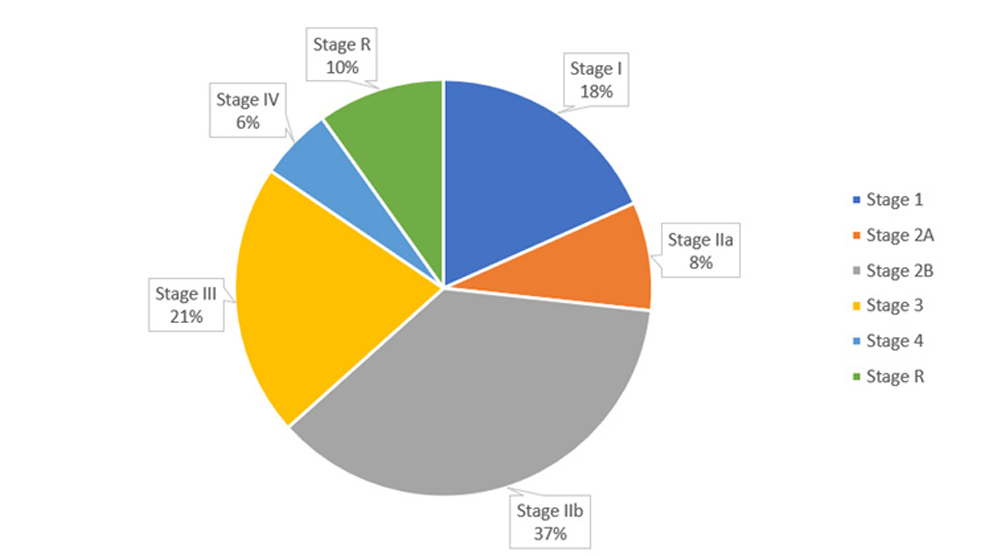
Surgical Management in Sacrococcygeal Pilonidal Sinus Disease Depending on The Suggested Staging System
1. Abstract 1.1. Background The optimal treatment for the sacrococcygeal pilonidal disease has not been established. Recurrence rates vary by surgical technique. Recurrence wasn’t the only factor in choosing the optimal technique. The procedure should be easy, inexpensive, have few com plications, and allow the patient to return to work or routine
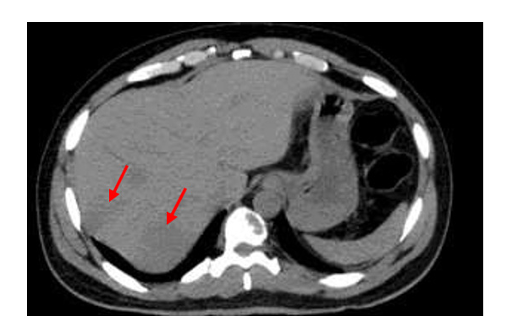
Herpes Zoster Mimmicking Renal Colic
1. Abstract 1.1. Back Ground Herpes zoster, or shingles, is a painful viral infection caused by the reactivation of the varicella-zoster virus (VZV), the same virus as chickenpox, resulting in a blistering rash, often on one side of the body or face, accompanied by burning pain, tingling, and itching.
Renal Involvement in Inflammatory Bowel Disease: A Two-Center Retrospective Study
1. Abstract 1.1. Introduction and Background Renal involvement represents a rare but serious complication of inflammatory bowel diseases (IBD).
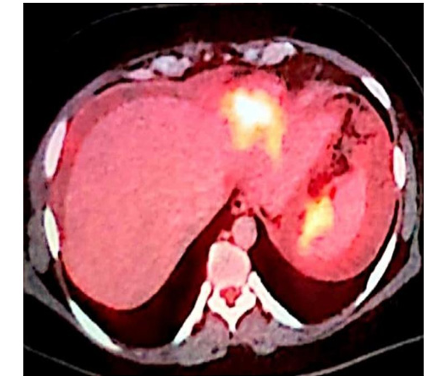
Outcomes of a PBM-Aligned Single-Unit Platelet Transfusion Policy in Severe UGI Bleeding
1. Abstract 1.1. Introduction Platelet transfusion practices in patients with upper gastrointestinal (UGI) bleeding have traditionally varied, with limited consensus on optimal dosing or thresholds especially for severe cases. Our institution implemented a restrictive, single-unit platelet transfusion policy as part of a broader patient blood management (PBM) initiative.